


Sara Vasilenko (Director) is an associate professor and Director of the Doctoral Program in Human Development and Family Science at Syracuse University. She received her PhD in Human Development and Family Studies from Pennsylvania State University. Her research examines health behaviors, particularly sexual behavior and substance use, from a developmental perspective that balances both the fact that these behaviors carry risks, but also may have positive consequences. In particular, she has an extensive body of work examining the experienced consequences and mental health and well-being outcomes of adolescent and young adult sexual behavior. She also examines how social-ecological contexts shape health risk behaviors in order to better understand health disparities. In her free time she likes to cook spicy food and go on adventures with her two dogs.
Email: savasile@syr.edu
Xiafei Wang (Assistant Director) is an Associate Professor in the College of Social Work at the University of Kentucky and an honorific Research Scientist at the Life Path Research Center. Her research focuses on intergenerational trauma transmission and resilience development for trauma-affected individuals and families. She also explores various moderating factors of trauma and resilience, such as race, gender, disability, and military experiences. She hopes to use the knowledge gained in her research to inform culturally responsive program development and evaluation.
Email:
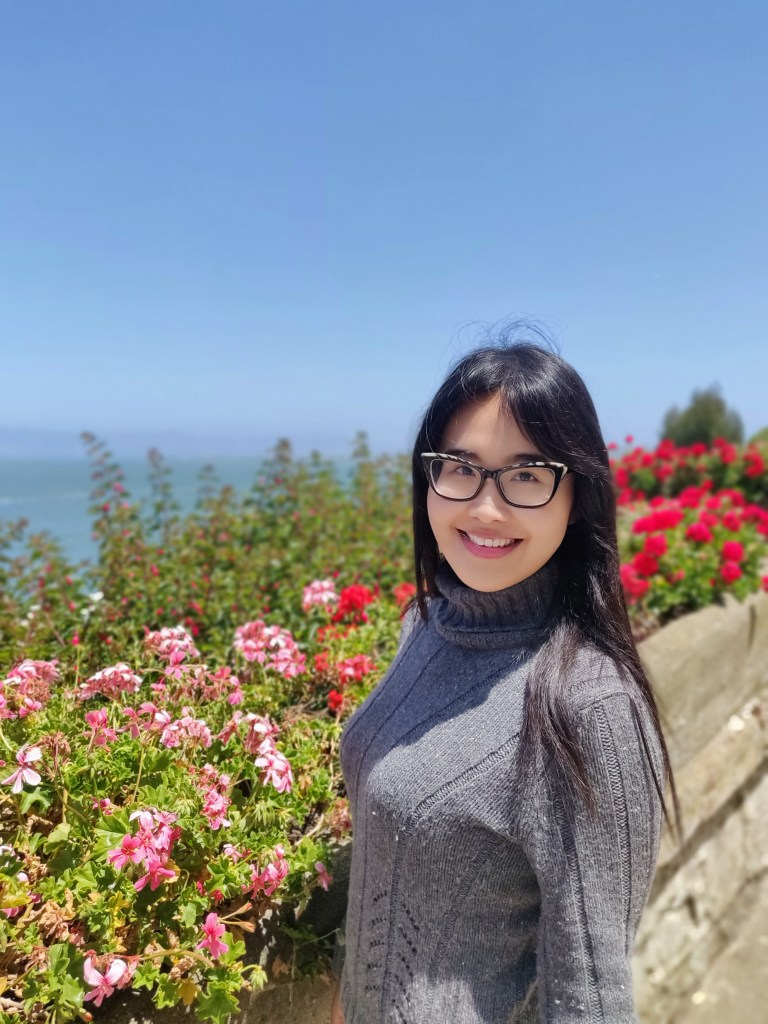
Kirstin Clear is a fifth-year doctoral student in the Human Development and Family Science program. She received her bachelor’s degree in nutrition with a minor in psychology from Syracuse University. She then completed her dietetic internship at the University of Delaware and became a registered dietitian. Kirstin also received a Master of Public Health degree from Upstate Medical University. Her research focuses on Native American health and mental well-being in the context of the intergenerational transmission of historical trauma. She hopes to help support the application of culturally sensitive research methods with Native American communities in order to promote culturally grounded mental health interventions. In her free time Kirstin enjoys planning her next cosplay, playing Xbox video games as well as Magic: The Gathering with her friends on the weekend.
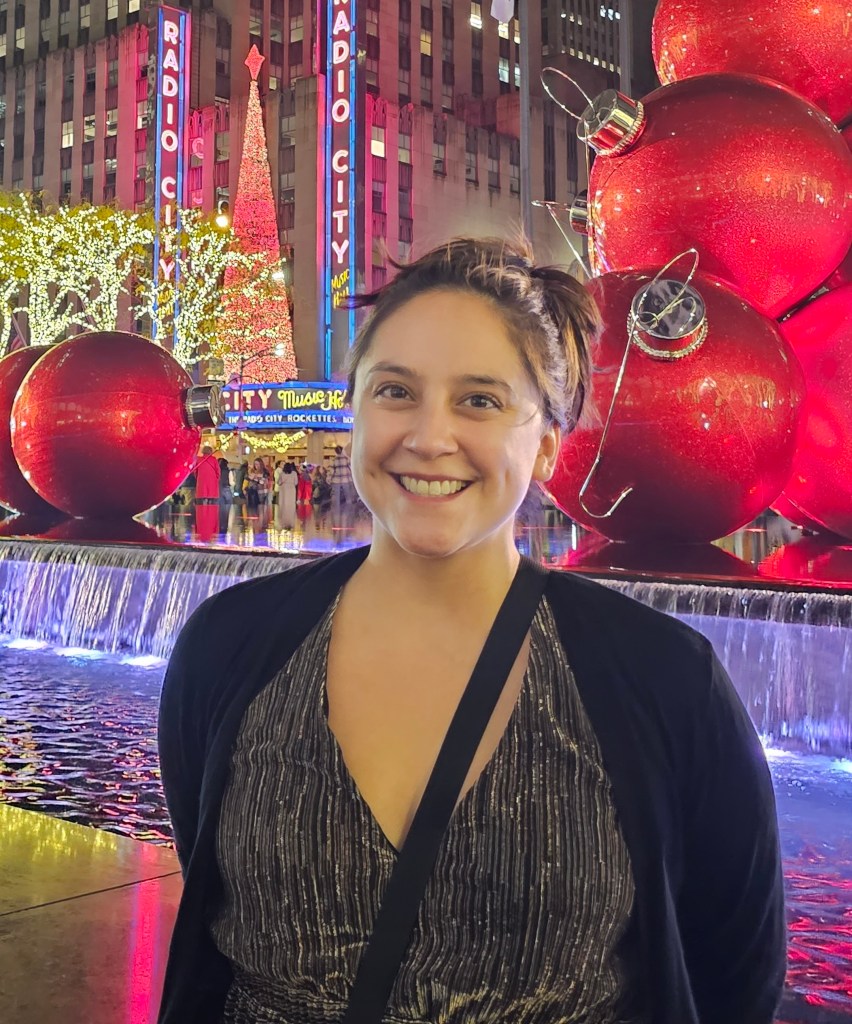
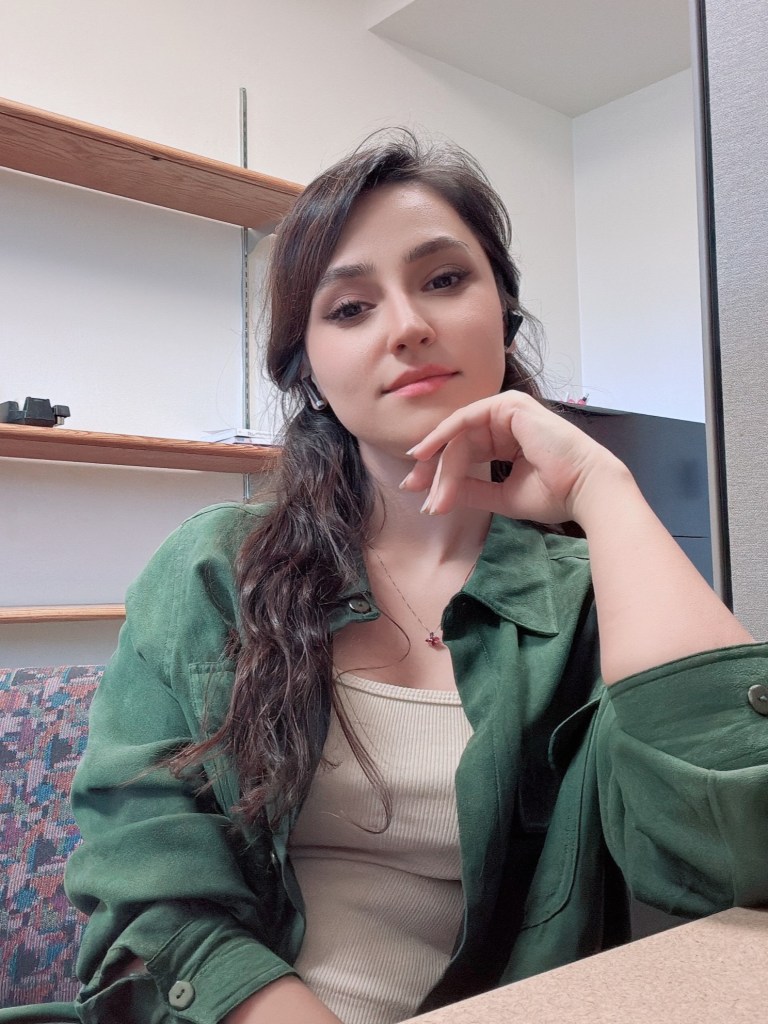
Mahsa Pahlavan is a third-year PhD student in Human Development and Family Science at Syracuse University. She received her M.A. in Education and Psychology of Exceptional Children from the University of Tehran and her B.S. in Psychology from Kharazmi University in Iran. Her research focuses on exploring the developmental trajectory of executive functioning from childhood through adolescence. She is particularly interested in examining how adverse childhood and adolescent experiences influence executive functioning and their long-term effects on adolescent health, including substance use, digital addiction, and attention-related difficulties and disorders. She aspires to become a science communicator, translating developmental research into accessible knowledge that promotes public awareness of health-related risk and resilience factors.
Yevai Matenga is a doctoral student in Human Development and Family Science at Syracuse University. She earned her M.S. in Human Ecology from the University of Wisconsin–Madison and her B.S. in Political Science from the University of Zimbabwe. Her work is informed by a cross-cultural perspective on development.
Her research examines protective factors in adolescent sexual health, with a focus on how family, cultural, and social environments influence adolescents’ sexual behavior. She is particularly interested in understanding when factors commonly viewed as protective may vary in their effects across different cultural and social contexts. Her goal is to contribute to research that informs culturally sensitive approaches to promoting healthy adolescent development
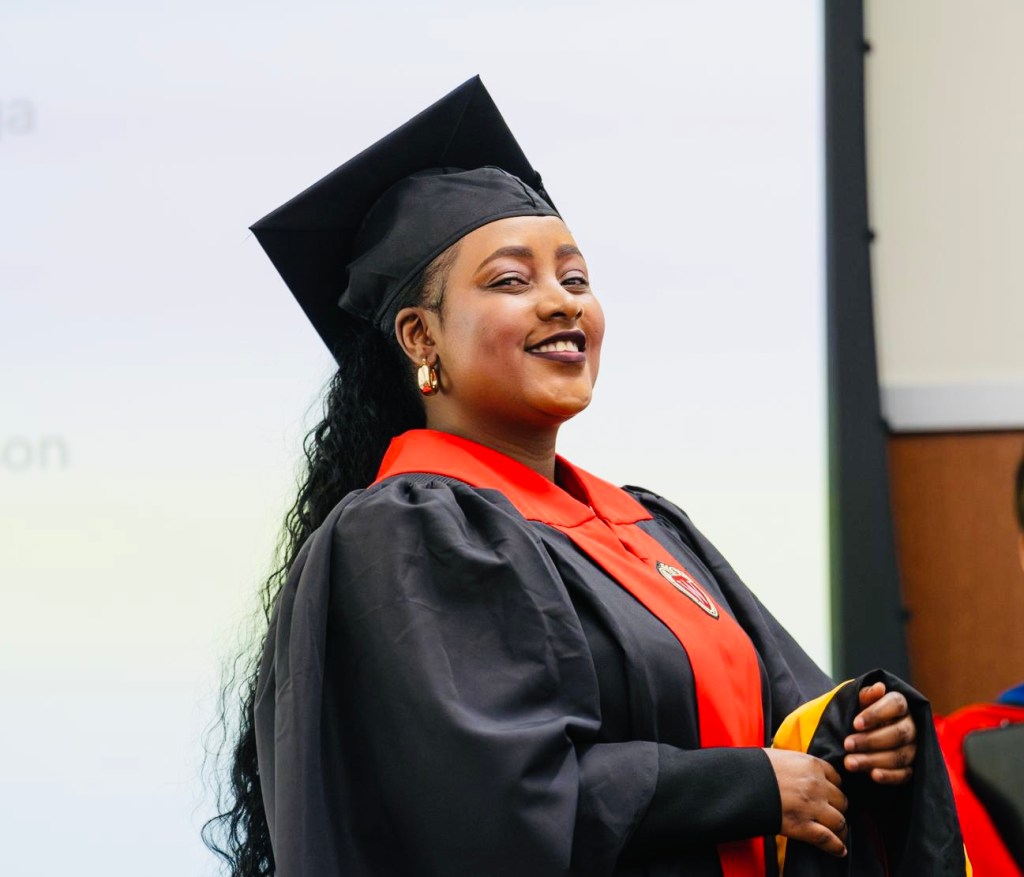
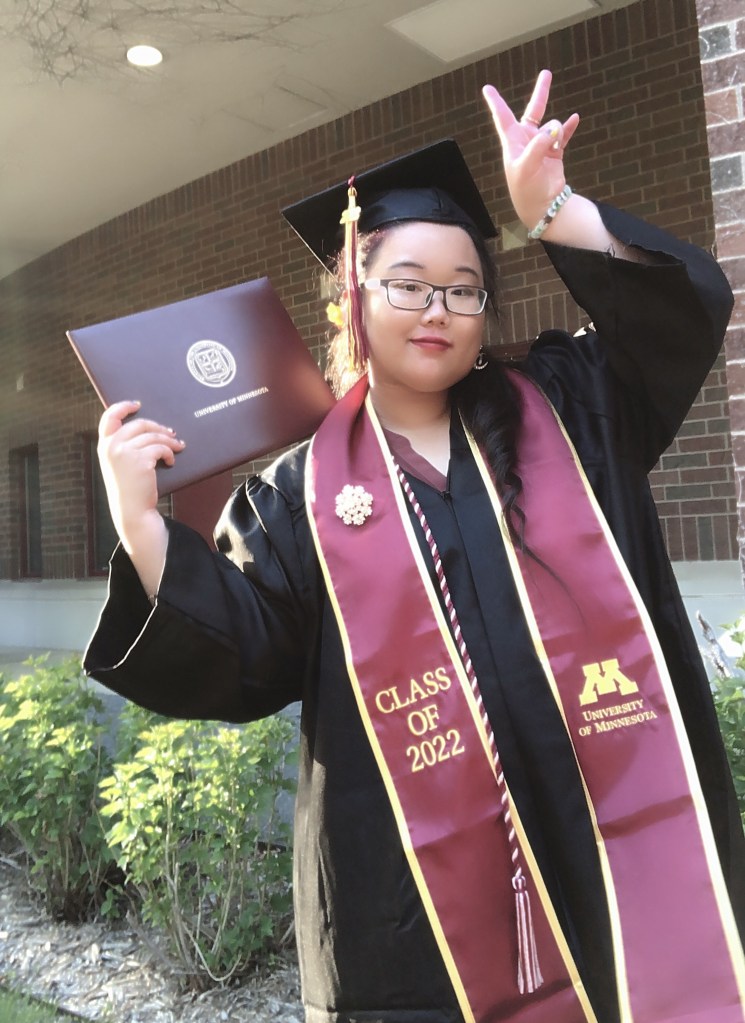
Louise Zhuang is a second-year PhD student at the Department of Human Development and Family Science program. She received a Developmental Psychology B.S. degree from the University of Minnesota Twin Cities, with two minors in Family Social Science and Integrative Neuroscience. After college, Louise worked as a research coordinator at the Developmental Cognitive Neuroscience (DSCN) Lab at the Institute of Child Development, University of Minnesota. Her research interest lies in parent-child relationships across cultures, and the relationship between cognitive indicators such as executive functions, cognitive perspective taking, or agency can buffer the negative influence of adverse childhood experiences. Currently, she is working on exploring how being lied to by parents in childhood can influence adulthood’s social and behavioral outcomes. In her free time, Louise enjoys doing arts and crafts, cooking, or doing creative writing on her fanfictions..
Former Students
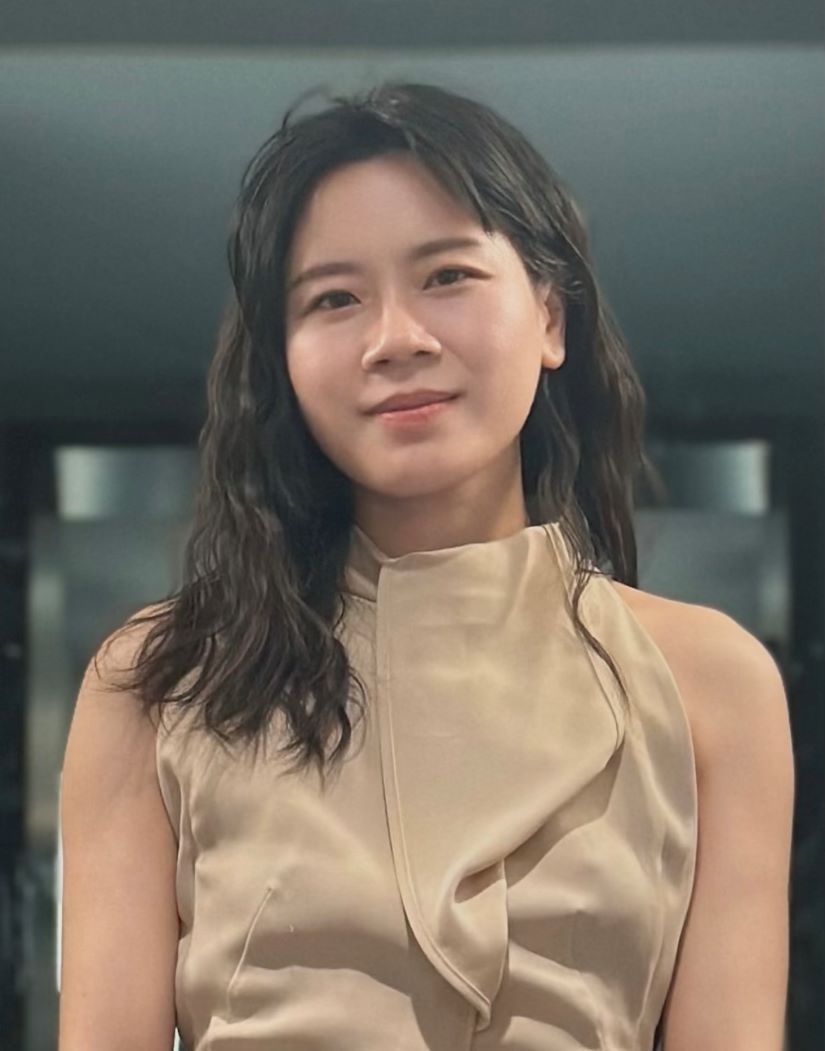
Linghua Jiang is currently a post-doctoral fellow at the University of Colorado, after receiving her PhD in Human Development and Family Science at Syracuse University. She received her Bachelor in Tourism Management from Sun Yat-sen University in China and her Master of Science in Educational Psychology from University of Wisconsin-Madison. Her research focuses on understanding how contextual risk and protective factors shape the socio-emotional development, problem behavior and mental health in children and adolescents. In particular, she is interested in exploring the trajectories of adverse childhood experiences and positive childhood experiences and adolescent depression. She also examines how digital media use affect mental health in adolescents to better understand adolescent health in the digital age. In her free time, she likes reading, writing, working out, and photography.
Qingyang Liu is a currently a post-doctoral fellow at the University of Arizona after completing her doctorate in Human Development and Family Science at Syracuse University. She received an M.S. in Educational Psychology and Methodology from the University at Albany, SUNY, and B.A. in Psychology from San Francisco State University B.S. in Applied Psychology from Guangzhou Medical University. Her research focuses on exploring the developmental trajectory of self-regulation from early childhood to adolescence. She is specifically interested in examining early contextual factors (i.e., poverty, material hardship, household chaos, parenting) that affect preschooler self-regulation in multiple domains and its long-term functioning on adolescent wellbeing behaviors. Her current research work examines the multidimensional poverty profile effects on the development of children’s self-regulation from a socially ecologically adaptive framework. Qingyang proposes to translate academic research into policy actions to support children’s regulatory behaviors within disadvantaged communities.

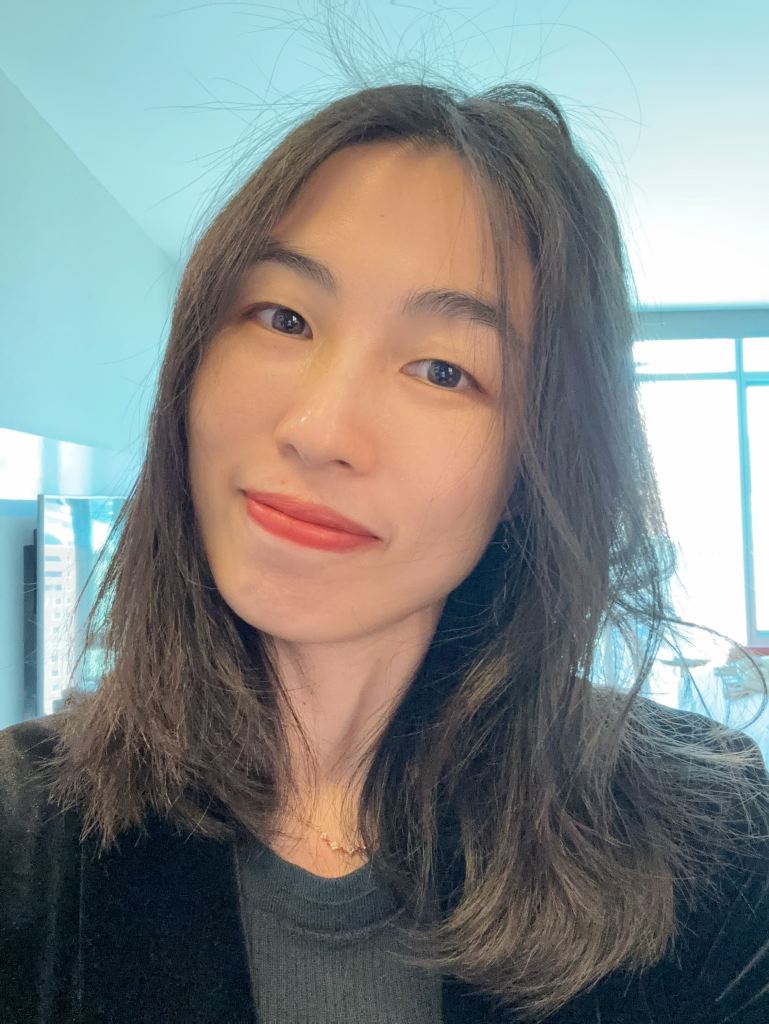
Ying Xu, originally from Beijing, China, is a PhD Candidate in Human Development and Family Science at Syracuse University. Ying received her bachelor’s degree in English from the University of International Business and Economics in Beijing, China. Subsequently, she dedicated 11 years of her life to working with a prominent American non-governmental organization (NGO) that provided nurturing, educational, rehabilitative, and various other intervention services to orphans, left-behind children, and immigrant children in China. Ying visited over 30 Children’s Welfare Institutions and villages in 23 provinces and regions across China, affording her the opportunity to understand the lives and needs of children and families. Her deep-seated passion for comprehending the intricacies of child development and family dynamics ultimately led her to Syracuse University, where she earned a Master of Arts in Human Development and Family Science.
Ying’s research interests encompass the intergenerational transmission of parenting, mental health, and trauma. Her academic pursuits are driven by a heartfelt desire to contribute to the well-being of children and families, and her ultimate life goal is to provide scientific support to them, with a particular focus on those facing underprivileged and challenging circumstances. Ying finds immense joy in life’s simple pleasures, including listening to music, taking leisurely walks, and watching movies.

